Chiify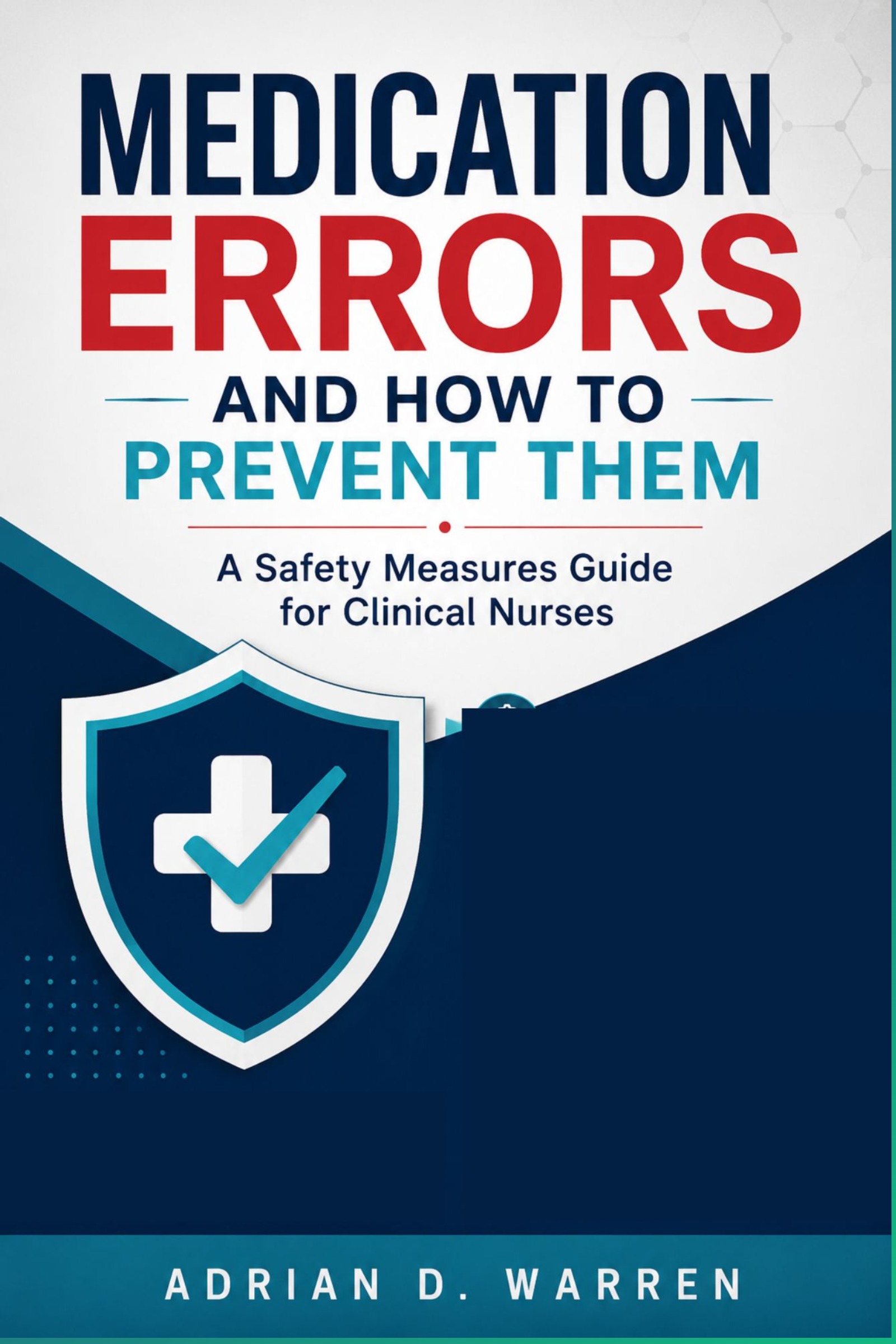
Medication Errors and How to Prevent Them
A Safety Measures Guide for Clinical Nurses
by Adrian D. Warren
Medication Errors and How to Prevent Them: A Safety Measures Guide for Clinical Nurses
Medication errors remain one of the most common and most preventable sources of patient harm in healthcare today. For nurses, who stand as the final safeguard between a written order and the patient receiving it, understanding how these errors happen — and how to stop them — is not optional knowledge. It is core to safe, competent practice.
This comprehensive guide walks clinical nurses through every dimension of medication safety, from the foundational science of how errors occur to the practical, bedside habits that prevent them. Readers will explore the full scope of medication errors and their impact on patients, institutions, and the nursing profession; the root causes behind prescribing, transcription, dispensing, administration, and monitoring failures; and the specific protocols required for high-alert medications, including anticoagulants, insulin, opioids, and chemotherapy agents.
Beyond individual practice, this book addresses the systems and culture that make safety sustainable: medication reconciliation across care transitions, the safe use of barcode scanning and smart infusion technology, just culture principles that encourage honest error reporting, and the legal and ethical obligations nurses carry when something goes wrong. Dedicated chapters cover special populations — pediatric, geriatric, critically ill, and renally or hepatically impaired patients — along with practical tools for building a personal and unit-level safety action plan.
Written in clear, professional language and grounded in real clinical workflow, this guide is designed for nursing students preparing for practice, newly licensed nurses building foundational habits, and experienced clinicians seeking a thorough refresher. Each chapter combines clinical reasoning with actionable strategy, equipping nurses not just to avoid errors, but to understand the systems that produce them and the culture that prevents them.
Whether used as a classroom resource, a unit-based reference, or independent professional development, this book offers a complete, evidence-informed framework for one of nursing's most consequential responsibilities: getting medication administration right, every time.
$6.98