Chiify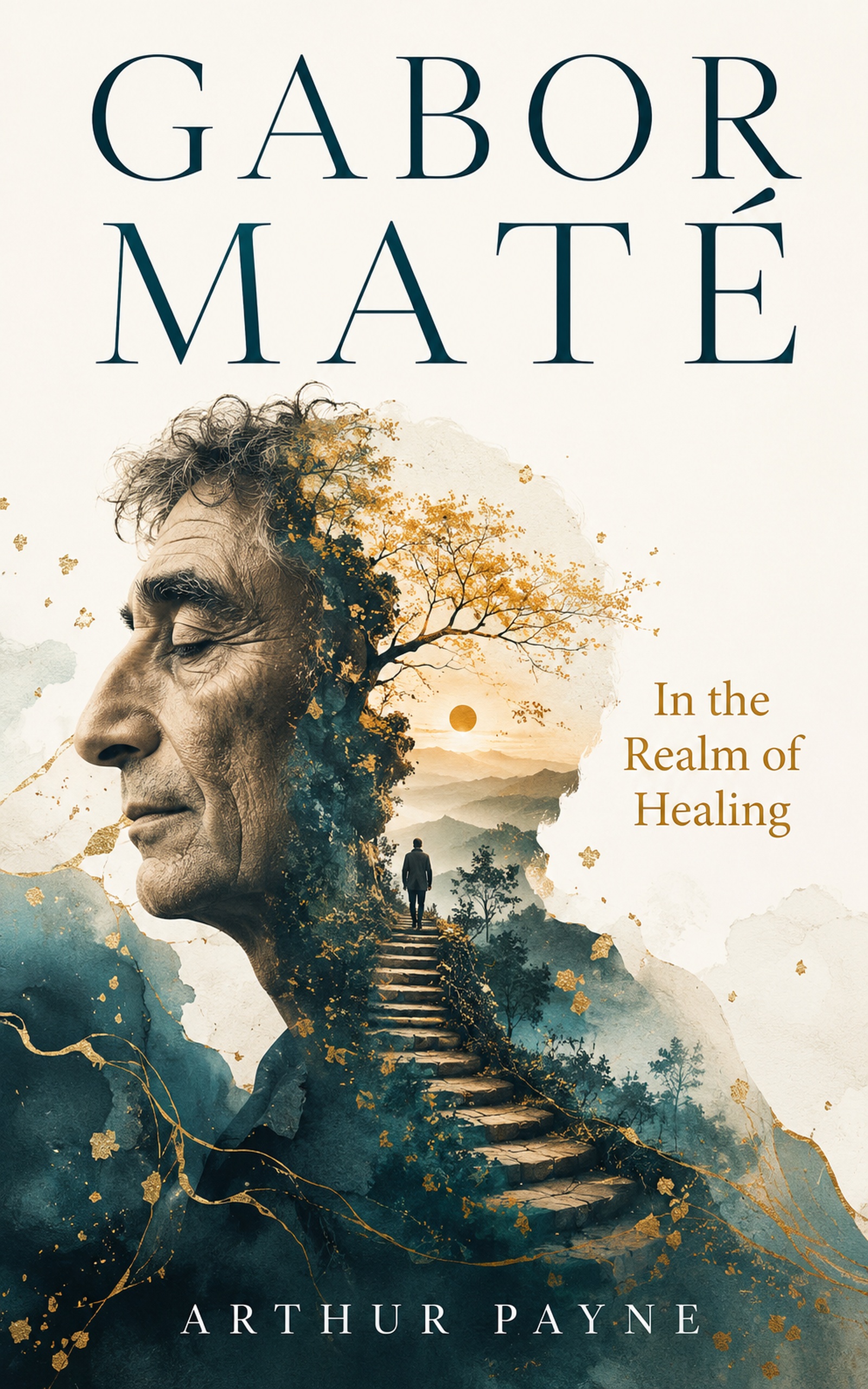
GABOR MATÉ
In the Realm of Healing
by Arthur Payne
In the Realm of Healing: The Work and Wisdom of Gabor Maté
There are doctors who treat symptoms, and then there are those rare few who insist on asking why the wound exists in the first place. Gabor Maté belongs unmistakably to the latter category a physician who spent decades in Vancouver's Downtown Eastside, one of the most concentrated areas of drug use and poverty in North America, and emerged not with easy answers but with a radically compassionate reframing of what addiction, illness, and human suffering actually mean.
A Doctor Who Refused to Look Away
Maté's medical career began conventionally, but something shifted when he started working with patients struggling with severe addiction, many carrying the weight of childhood trauma so profound it defies easy description. Rather than pathologizing these patients, Maté turned the question inward and outward at once: what if addiction isn't primarily a moral failing or even a brain disease, but an understandable response to unbearable pain? What if the real question isn't "why the addiction" but "why the pain"?
This inversion asking not what's wrong with a person but what happened to them became the animating principle of his work, eventually reshaping conversations about trauma far beyond addiction medicine.
From Hungry Ghosts to a Myth of Normal
His writing traces an unusual arc: from In the Realm of Hungry Ghosts, his unflinching account of addiction and the Downtown Eastside, to explorations of how suppressed emotion and unprocessed trauma manifest as chronic physical illness, to his most ambitious work, The Myth of Normal, co-written with his son Daniel—a sweeping look at how modern society itself generates conditions for widespread suffering, from autoimmune disease to anxiety to disconnection.
Maté's central provocation is uncomfortable precisely because it's so simple: trauma is not the exceptional experience of a few, but a pervasive undercurrent running beneath a culture that prizes productivity over authenticity, stoicism over feeling, and normalcy over genuine health. He asks readers to consider that what we call "normal" may itself be a kind of low-grade illness we've collectively agreed not to name.
Why His Work Resonates
What makes Maté's perspective so arresting isn't only clinical rigor—it's the moral seriousness he brings to human pain, paired with real warmth for the people he's treated. He doesn't flinch from hard truths about capitalism, parenting, or his own shortcomings; he's spoken candidly about his own struggles with workaholism and emotional distance as a father. This self-implication gives his work a credibility that purely theoretical accounts of trauma often lack.
If you're drawn to authors who blend hard science with deep humanity—who ask uncomfortable questions about the systems we live inside rather than simply diagnosing the individuals suffering within them Gabor Maté's body of work offers a demanding, ultimately hopeful invitation: to understand pain not as a life sentence, but as a doorway toward genuine healing.
$5.99